Barbara O’Neill Exposes the TRUTH 15 Years of Swollen Legs Gone Instantly!
Managing Swollen Feet and Ankles: Causes, Solutions, and Natural Remedies
Introduction
Swollen feet and ankles are common issues that many people experience, often linked to poor circulation or water retention. While these symptoms can be temporary and harmless, chronic swelling can sometimes indicate underlying health issues such as poor kidney function or circulatory problems. In this article, we will explore the causes of swelling, its connection to various bodily systems, and practical solutions to alleviate the condition. By understanding the role of the kidneys, circulation, and lifestyle habits, you can manage and reduce swelling effectively.
Kidney Health and Hydration: How Swelling Relates to the Kidneys
The Role of Kidneys in Fluid Balance
Swelling in the feet, legs, and ankles can often be a sign that your kidneys are struggling. The kidneys are responsible for regulating sodium levels and maintaining water balance in the body. When kidney function declines, the body can struggle to eliminate excess sodium, leading to fluid retention and swelling.


Hydration and Swelling
Both dehydration and overhydration can exacerbate swelling. When the body is dehydrated, the kidneys have difficulty regulating sodium levels, causing the body to retain water. Conversely, too much fluid intake without adequate kidney function can lead to edema, a condition where fluid accumulates in the tissues.
Solutions for Kidney-Related Swelling
To prevent kidney-related swelling, it’s important to maintain proper hydration levels. Drinking sufficient water helps the kidneys regulate sodium and water balance. In addition, consuming a balanced amount of salt and foods that support kidney function, such as those rich in potassium, can help reduce swelling.
The Circulatory System and Swelling
How Poor Circulation Causes Swelling
The circulatory system plays a significant role in regulating fluid levels throughout the body. Poor circulation, often resulting from conditions like varicose veins or deep vein thrombosis, can prevent blood from effectively flowing back to the heart, causing fluid to accumulate in the lower extremities, leading to swelling. The calf muscles function as a “second heart” by helping pump blood back up to the heart, which is why issues with calf muscle activity can exacerbate swelling in the legs and feet.
The Benefits of Jumping Exercises
One natural way to support circulation and reduce swelling is by doing jumping exercises, which stimulate the calf muscles and encourage blood flow upward. These exercises help strengthen the muscles and improve venous return, preventing fluid buildup in the feet and ankles.
Supporting Circulatory Health
Incorporating exercises like swimming, cycling, and walking can help improve blood circulation. It’s also important to avoid standing or sitting for extended periods, as this can lead to stagnation of blood in the legs. Elevating the legs and wearing compression stockings can also improve circulation and reduce swelling.
Lifestyle and Varicose Veins: How Genetics and Habits Affect Circulation
Genetics and Varicose Veins
Genetic factors play a significant role in the development of varicose veins, a common cause of swelling in the lower legs. If your family has a history of venous insufficiency, you may be more prone to developing varicose veins, which occur when the valves in the veins weaken, leading to blood pooling in the legs.
Lifestyle Factors Contributing to Swelling
Lifestyle choices such as excessive weight gain, prolonged periods of sitting or standing, and lack of physical activity can exacerbate swelling and lead to varicose veins. Managing weight, staying active, and practicing good posture can help alleviate these issues and improve circulation.
Managing Varicose Veins
To manage varicose veins and reduce swelling, consider exercises that improve circulation, such as swimming or cycling. Avoid standing or sitting in one place for too long, and elevate the legs when possible to promote venous return. In some cases, wearing compression stockings may help reduce swelling and improve blood flow.
Preventing Swelling: Key Steps to Improve Circulation
Regular Exercise and Movement
The most effective way to prevent and manage swelling is to engage in regular physical activity. Exercise helps improve circulation, promotes healthy weight management, and reduces the risk of conditions like varicose veins. Activities like walking, swimming, and biking help pump blood back up to the heart and prevent fluid from accumulating in the lower extremities.
Elevating Your Legs
Elevating your feet regularly throughout the day can encourage better blood flow and reduce swelling. Try lying down with your feet propped up on pillows, or if you’re sitting, elevate your feet above the level of your heart to improve circulation.
Low-Sodium Diet and Proper Hydration
A low-sodium diet can help prevent fluid retention by supporting the kidneys’ ability to regulate water balance. Avoid highly processed foods and excess salt, and focus on whole foods like fruits, vegetables, lean proteins, and whole grains. Additionally, staying properly hydrated is crucial, as dehydration can worsen swelling and lead to further complications.
Natural Remedies for Swelling
Cayenne Pepper: A Natural Blood Thinner
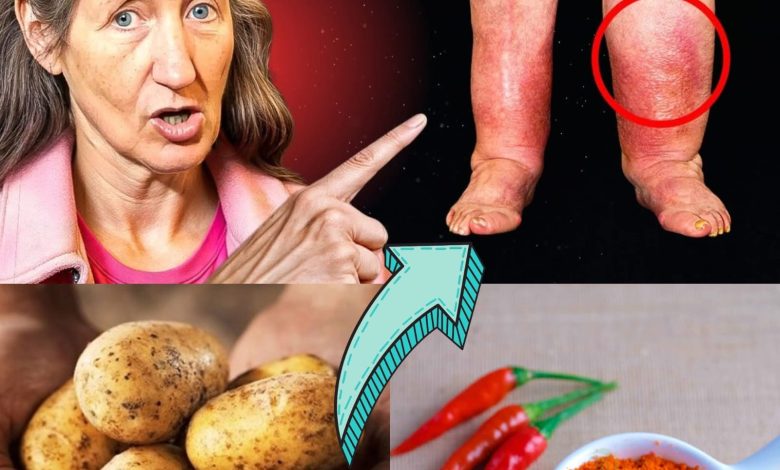
Cayenne pepper has natural blood-thinning properties that can help improve circulation and reduce swelling. The active ingredient, capsaicin, stimulates blood flow and strengthens the walls of the veins, which may alleviate swelling in the legs and feet.
Potato Powder: Reducing Inflammation
Crushed raw potato, or potato powder, has anti-inflammatory properties that can help reduce swelling and ease discomfort. Apply mashed potatoes to the swollen area and leave it on for 15-20 minutes to help calm inflammation and provide relief.
Epsom Salt Foot Soaks
Epsom salt contains magnesium, which is known to help relax muscles and reduce inflammation. Soaking your feet in warm water with Epsom salt can improve circulation and ease swelling. Alternating between warm and cold water can further enhance blood flow and reduce swelling.
Hydrotherapy: Boosting Circulation
Hydrotherapy, or alternating between hot and cold water, can stimulate circulation and reduce swelling in the feet and legs. Begin by soaking your feet in hot water for 3-5 minutes, then switch to cold water for 30 seconds. Repeat this process several times to encourage blood flow and promote healing.
Combining Natural Remedies for Maximum Effectiveness
To maximize the benefits of natural remedies, consider combining several methods. Start with hydrotherapy to improve circulation, then apply potato powder to reduce inflammation. Finish with a relaxing Epsom salt soak for added relief. Remember to elevate your feet regularly and stay hydrated to keep the swelling at bay.
Conclusion
Swollen feet and ankles are often a sign of poor circulation, kidney issues, or other underlying health conditions. However, by making conscious lifestyle changes, incorporating regular exercise, and using natural remedies, you can significantly reduce swelling and improve circulation. Prioritize healthy habits like a low-sodium diet, regular exercise, and staying hydrated, while also exploring natural treatments such as cayenne pepper and potato powder. If swelling persists or worsens, consult with a healthcare professional for further evaluation and personalized treatment.