Essential Horse Care Practices for Optimal Health and Performance
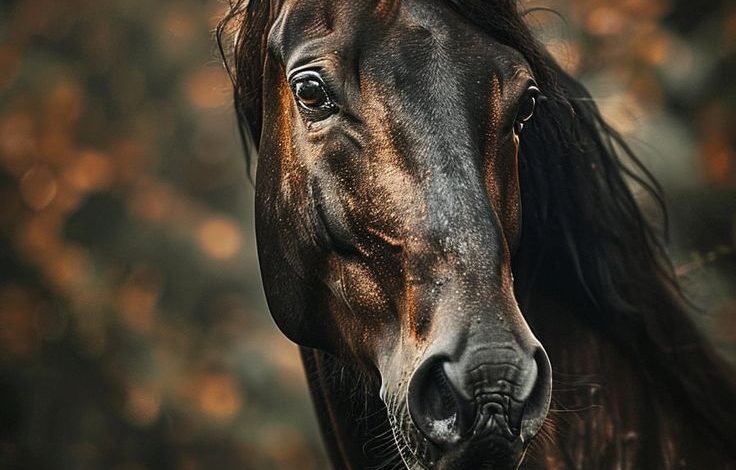
Horses are magnificent creatures that require comprehensive care to maintain their health, happiness, and performance abilities. Whether a horse is a companion, a competitor, or a working animal, the responsibility of providing proper care lies with the owner. Effective horse care encompasses a variety of aspects, including nutrition, exercise, grooming, health checks, and a safe environment. This article explores these essential elements and offers practical tips for ensuring the well-being of your horse.
1. Proper Nutrition for a Healthy Horse


A horse’s diet plays a crucial role in maintaining its health and performance. Horses are herbivores, and their digestive systems are designed to process high-fiber diets, making forage the foundation of their meals.
– Forage: The majority of a horse’s diet should consist of high-quality forage such as hay or pasture grass. Forage provides the necessary fiber to maintain gut health and support proper digestion. When pasture access is unavailable, high-quality hay should be provided consistently.
– Concentrates: Depending on the horse’s activity level and health, concentrates such as grains, pellets, or special feeds may be required to meet their energy needs. Performance horses, for example, often need additional calories and protein to maintain energy levels.
– Water: Fresh water should always be available. Horses drink large amounts of water daily, with the amount varying depending on factors like temperature, exercise, and diet. Dehydration can cause serious health issues, so constant access to water is essential.
– Vitamins and Minerals: Horses may need supplements to ensure they receive adequate vitamins and minerals. A veterinarian can recommend appropriate supplements based on your horse’s needs, age, and workload.
2. Regular Grooming for Health and Hygiene
Grooming is not only about keeping a horse looking its best but is also an essential part of maintaining its health. Regular grooming helps promote blood circulation, maintains skin health, and gives owners a chance to check for injuries or irritations.
– Brushing: Brushing should be done regularly to remove dirt, dust, and sweat, while also stimulating the skin to improve blood flow. Use a curry comb to loosen dirt and a stiff brush to remove debris, followed by a soft brush to give the coat a shiny finish.
– Hoof Care: A horse’s hooves need consistent care. They should be cleaned daily with a hoof pick to remove debris, such as stones, mud, and dirt. Hooves also need to be trimmed regularly, typically every 6-8 weeks, to ensure proper growth and avoid issues such as lameness.
– Bathing: Horses don’t need frequent baths, but they should be bathed after intense exercise or when they are particularly dirty. Use a gentle horse-safe shampoo and rinse thoroughly to avoid any residue that could irritate their skin.
3. Exercise for Physical and Mental Well-being
Horses require regular exercise to maintain both physical fitness and mental health. A lack of exercise can lead to behavioral issues and physical problems, such as muscle stiffness or weight gain.
– Riding and Work: Regular riding is essential for maintaining muscle tone, improving cardiovascular health, and ensuring that the horse stays in optimal condition. Different disciplines such as dressage, show jumping, and trail riding require varied levels of fitness, and horses should be trained according to their intended work.
– Groundwork and Lunging: Groundwork, including lunging and leading, can help maintain fitness when riding isn’t an option. These activities can also be used for training and teaching obedience.
– Turnout: Providing your horse with time in a pasture or paddock where they can move freely is important for their mental well-being. Turnout allows horses to stretch their legs, graze, and socialize with other horses, which can alleviate stress and prevent boredom.
4. Routine Veterinary Care and Preventive Health
Regular veterinary care is essential for keeping a horse healthy and preventing illness or injury. Preventive measures such as vaccinations, deworming, and dental care are vital to avoid common health problems.
– Vaccinations: Horses should receive regular vaccinations to protect them from common diseases, such as equine influenza, tetanus, and West Nile virus. Consult with a veterinarian to develop a vaccination schedule appropriate for your horse.
– Deworming: Internal parasites can affect a horse’s health, so deworming should be done regularly. A veterinarian can advise on the best deworming schedule based on your horse’s living conditions and risk factors.
– Dental Check-ups: A horse’s teeth should be checked regularly by a vet or equine dentist. Problems such as sharp teeth, uneven wear, or loose teeth can lead to difficulty eating and other health concerns. Regular dental checks help ensure your horse’s teeth remain healthy throughout its life.
5. Creating a Safe and Comfortable Living Space
The environment in which a horse lives plays a significant role in its overall health and well-being. Horses need a safe, clean, and comfortable space to thrive.
– Stalls and Barns: Horses that live in stalls should have ample space to move around comfortably. Stalls should be kept clean, dry, and well-ventilated. Bedding materials such as straw or wood shavings should be used to absorb waste and provide comfort.
– Fencing: Secure fencing is essential to prevent a horse from escaping or getting injured. Fences should be tall and strong enough to withstand a horse’s weight and ensure their safety. Electric fencing is also commonly used to keep horses contained.
– Shelter: Horses need protection from extreme weather conditions, including rain, snow, and intense sun. A run-in shed or barn can provide shelter, allowing the horse to seek refuge when necessary.
6. Building Trust and Bonding with Your Horse
Establishing a strong bond with your horse is important for both training and overall care. Horses are sensitive animals, and developing trust through consistent and positive interactions is essential for a harmonious relationship.
– Training: Effective training is built on mutual respect and understanding. Horses respond best to clear, consistent commands and positive reinforcement. Never use forceful methods, as this can damage the relationship and cause fear or stress.
– Handling: Horses should be handled with care, patience, and respect. Gentle handling helps to build trust and ensures that the horse feels secure in its environment. Be mindful of the horse’s body language and approach them calmly to avoid startling them.
Conclusion
Caring for a horse is a multifaceted responsibility that requires attention to detail, commitment, and a genuine understanding of the horse’s needs. Proper nutrition, grooming, exercise, veterinary care, and a safe living environment are the fundamental components of horse care. By consistently attending to these aspects, you can ensure your horse leads a long, healthy, and happy life. Whether your horse is a competition partner, a working animal, or a beloved companion, providing them with the best care possible is essential for their well-being and success.
—


