Title: Yeast and Rice Bread Recipe: A Soft and Flavorful Delight
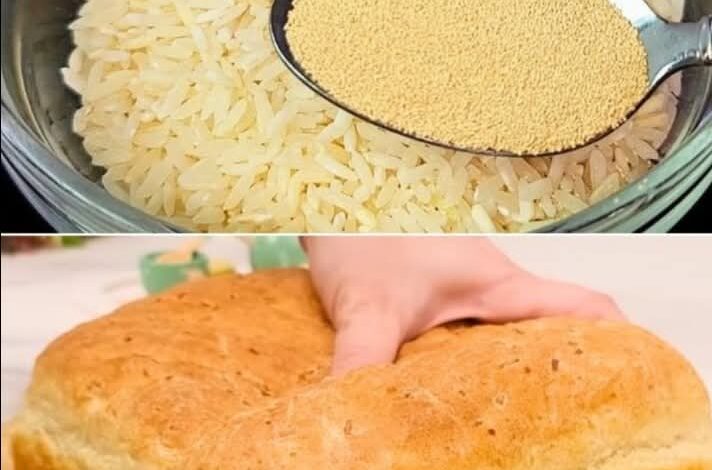
Title: Yeast and Rice Bread Recipe: A Soft and Flavorful Delight
Introduction
If you’re looking for a bread recipe that combines the soft, chewy texture of rice with the fluffiness of yeast bread, this Yeast and Rice Bread recipe is the perfect option. It’s an easy-to-make, gluten-free alternative that still provides the rich, hearty taste you expect from traditional bread. The rice adds a unique texture, making the bread delightfully soft while the yeast gives it a light, airy quality. This bread is perfect for sandwiches, toasts, or simply enjoyed with a spread of butter. Let’s dive into how to make this delicious and nutritious bread at home.
Ingredients:
1 cup cooked rice (preferably cooled)
2 ½ cups rice flour (for gluten-free bread)
2 teaspoons active dry yeast
1 tablespoon sugar
1 ½ cups warm water (about 110°F / 45°C)
1 teaspoon salt
1 tablespoon olive oil (or any vegetable oil)
1 tablespoon apple cider vinegar (helps with rising and texture)
1 egg (optional, for added richness)
½ teaspoon xanthan gum (optional, for texture and better rise)
Preparation:
continued on next page


Prepare the Yeast Mixture:
In a small bowl, combine the warm water, sugar, and active dry yeast. Stir gently to dissolve the sugar. Let it sit for 5-10 minutes until the mixture becomes frothy and bubbly. This shows that the yeast is active and ready to use.
Why It Works: Yeast needs warmth and sugar to activate. The bubbles are an indication that the yeast is ready to help the dough rise.
Combine the Wet Ingredients:
In a large mixing bowl, add the cooled rice, egg (if using), olive oil, and apple cider vinegar. Mix well.
Why It Works: The oil adds moisture, while the vinegar helps create a tender crumb. The egg adds richness and structure, though it can be omitted for a vegan version.
Mix Dry Ingredients:
In a separate bowl, whisk together the rice flour, salt, and xanthan gum (if using). The xanthan gum helps improve the texture of the bread, giving it better elasticity and a slightly chewy texture.
Why It Works: Rice flour, being gluten-free, doesn’t provide the elasticity found in wheat flour, so xanthan gum helps to replicate that structure.
Combine Wet and Dry Ingredients:
Gradually add the dry ingredients to the wet ingredients, mixing well after each addition. Pour in the activated yeast mixture and stir until everything is fully incorporated.
Why It Works: The combination of the rice flour and cooked rice creates a unique dough that will be slightly sticky but still manageable.
Knead the Dough:
Transfer the dough to a lightly floured surface (you can use rice flour for dusting). Knead for about 5-7 minutes, or until the dough becomes smooth and elastic. If the dough is too sticky, sprinkle a little more rice flour to help with kneading.
Why It Works: Kneading helps to activate the dough’s structure, allowing it to rise properly and create a fluffy texture.
First Rise:
Place the dough in a lightly oiled bowl and cover it with a clean kitchen towel. Allow it to rise in a warm, draft-free area for about 1 hour, or until it has doubled in size.
Why It Works: The yeast needs time to ferment and create carbon dioxide, which causes the dough to rise and become light and fluffy.
Shape the Dough:
After the dough has risen, punch it down to release the air bubbles. Shape it into a loaf and place it into a greased loaf pan (about 9×5 inches).
Why It Works: Shaping the dough into a loaf helps it rise evenly and achieve a uniform shape when baking.
Second Rise:
Cover the loaf pan with a kitchen towel and let the dough rise again for 30-45 minutes, or until it has risen slightly above the rim of the pan.
Why It Works: This second rise ensures the bread has a light, airy texture after baking.
Bake the Bread:
Preheat your oven to 375°F (190°C). Place the loaf in the oven and bake for 30-35 minutes, or until the top is golden brown and the loaf sounds hollow when tapped on the bottom.
Why It Works: The oven’s heat cooks the dough, and the yeast releases gases that help the bread rise. The golden crust gives the bread a beautiful finish while keeping it soft inside.
Cool and Slice:
Once baked, remove the loaf from the oven and let it cool on a wire rack for at least 20-30 minutes before slicing. This helps the bread firm up and makes slicing easier.
Why It Works: Cooling the bread allows it to set properly. If sliced too soon, it may be too soft and slightly crumbly.
Serving and Storage Tips:
Serving: Slice the bread and serve it with your favorite spread, like butter, jam, or even use it for sandwiches. It also pairs wonderfully with soups and salads.
Storage: Store the bread in an airtight container or plastic wrap at room temperature for up to 3-4 days. For longer storage, you can freeze individual slices and toast them as needed.
Variants:
Vegan Version: To make the bread vegan, simply omit the egg and replace it with an extra tablespoon of olive oil or a flax egg (1 tablespoon ground flaxseed mixed with 2.5 tablespoons of water).
Add-ins: For added flavor, you can incorporate herbs, seeds, or even dried fruits into the dough before baking. Seeds like sunflower or sesame work well and add a bit of crunch to the bread.
FAQ:
Q: Can I use white rice instead of cooked rice?
A: No, cooked rice is key to this recipe as it adds moisture and texture to the bread. White rice, on the other hand, would not contribute the same consistency.
Q: Can I use regular wheat flour instead of rice flour?
A: Yes, if you’re not looking for a gluten-free version, you can substitute rice flour with regular wheat flour. Just keep in mind that the texture and taste will differ slightly from the rice flour version.
Q: Can I make this bread without yeast?
A: Yeast is essential for this recipe to give the bread its fluffy texture. If you’re looking for a no-yeast recipe, you would need to switch to a different type of bread, like soda bread or a quick bread.
Q: How can I make this bread sweeter?
A: You can add a tablespoon or two of sugar or honey to the dough for a slightly sweeter loaf. You could also consider adding raisins or dried fruit for an extra sweet touch.
Conclusion:
This Yeast and Rice Bread is a perfect alternative to traditional bread, offering a soft, flavorful, and nutritious loaf that’s ideal for anyone looking for a gluten-free option or simply a new bread recipe to try. The combination of rice and yeast results in a delightful texture that’s both chewy and light. Whether you enjoy it fresh from the oven or toasted the next day, this bread is sure to be a hit in your kitchen!