Put salt under the bed, it solves a problem that many have at home
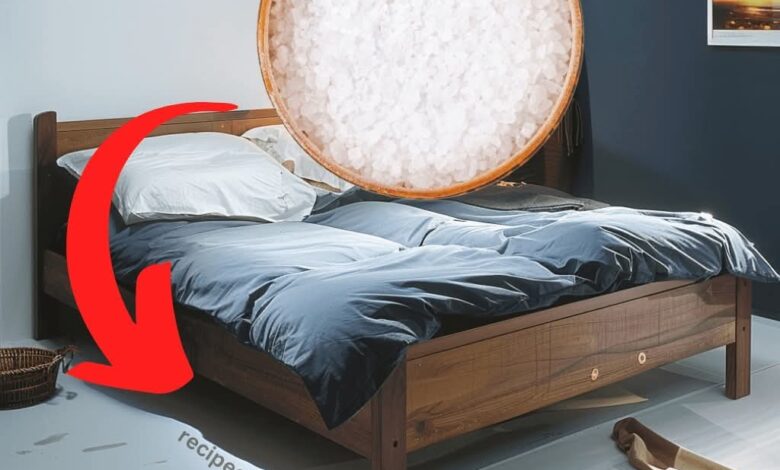
Placing salt under the bed can solve a major problem that many people face at home. Here’s how it works.
Salt has been a staple kitchen ingredient for centuries, but its usefulness extends far beyond culinary uses. This common household item can solve problems that standard cleaning agents often can’t. For example, when salt is placed in the oven and wiped down with a microfiber cloth, it acts as an excellent natural descaler, eliminating the need for industrial or chemical products.
The Belief Behind Placing Salt Under the Bed


There is a widespread belief about the use of salt beyond the kitchen. It is believed to have properties that ward off bad luck, which has led some superstitious individuals to carry a small bag of salt in their pockets to ward off misfortune. This belief has been passed down through generations and is rooted in various cultural traditions. Salt is considered a powerful symbol of purity and protection in many societies, which is why it is often used in rituals to cleanse and purify spaces.
Why You Should Consider Having Salt Under Your Bed
Historically, salt has been essential in culinary traditions to flavor and preserve foods. It helps maintain some of the organoleptic properties of foods, ensuring that flavors remain intact and foods stay fresher for longer. However, while salt is beneficial in moderation, it is important to be careful with its consumption to avoid adverse health effects. Excessive salt consumption can lead to water retention, high blood pressure, and other health issues.
Choosing the Right Type of Salt
When it comes to using salt beyond the kitchen, it is important to choose the right type. There are different types of salt available, ranging from fine table salt to coarse sea salt, Himalayan pink salt, and even black salt. For most home uses, it is recommended to choose the purest form available, such as natural sea salt or Himalayan pink salt. These types of salt are minimally processed and contain essential minerals that can improve their effectiveness for non-culinary applications.
Solving a Common Problem
Not everyone knows that salt can solve a common problem in our homes, especially during the winter months. When temperatures drop and windows are opened less frequently, indoor humidity levels can increase. This excess moisture can lead to condensation and mold, which can be detrimental to both your home and your health. Mold can cause respiratory problems, allergies, and other health issues, making it essential to keep indoor humidity under control.
Salt is a natural dehumidifier and can absorb excess moisture from the air. To maximize its moisture-absorbing abilities, place coarse salt in a container and cover it with a breathable material, such as a piece of window screen. This allows the salt to draw out the moisture without becoming saturated too quickly.
Implementing the Solution
An effective way to combat indoor humidity is to place salt under your bed at night. By doing this, the salt will attract and absorb all the moisture in the air, ensuring that you wake up to a clean and fresh room, much like you would during the summer months. This simple but effective method can make a noticeable difference in the air quality of your room, contributing to a more comfortable and healthy living environment.
Additionally, you can place the large grains of salt in small bags and store them in the corners of your home. This helps prevent mold from growing in hard-to-reach areas, such as behind furniture or in closets. By using salt in this way, you can avoid the need for professional mold removal services, which can be costly and disruptive.
Other Uses for Salt in Home Maintenance
Beyond its moisture-absorbing properties, salt can be used in a variety of ways to keep your home clean and healthy. Here are some additional uses for salt:
Carpet cleaning: Sprinkle salt on your carpets and let it sit for a few hours before vacuuming. This can help remove stains and odors, leaving your carpets fresher and cleaner.
Metal polishing: Make a paste of salt and vinegar to clean and polish metal surfaces, such as brass or copper. This mixture can effectively remove tarnish and restore the shine to your metal items.
Drain cleaning: Pour a mixture of salt and baking soda down your drains, followed by warm water. This can help dissolve grease and debris, keeping your drains clear and odor-free.
Shoe deodorizer: Place a small amount of salt in a cloth bag and insert it into your shoes overnight. The salt will absorb moisture and odors, leaving your shoes smelling fresh.
Practical tips for using salt effectively
To ensure you get the most out of salt’s natural properties, consider the following practical tips:
Regular replacement: Salt can become saturated with moisture over time. Be sure to replace it regularly to maintain its effectiveness as a dehumidifier.
Proper placement: For best results, place containers or bags of salt in areas with high humidity or where mold tends to grow. This includes bathrooms, basements, and closets.
Combination with other methods: While salt is effective on its own, combining it with other moisture control methods, such as using a dehumidifier or improving ventilation, can enhance its benefits.